Support from someone who has been there too.
Peer support work is delivered by people with their own lived experience of mental health challenges and recovery. They walk beside you as an equal - sharing hope, understanding without judgement, and practical ways through the hard parts. Connection first, always at your pace.
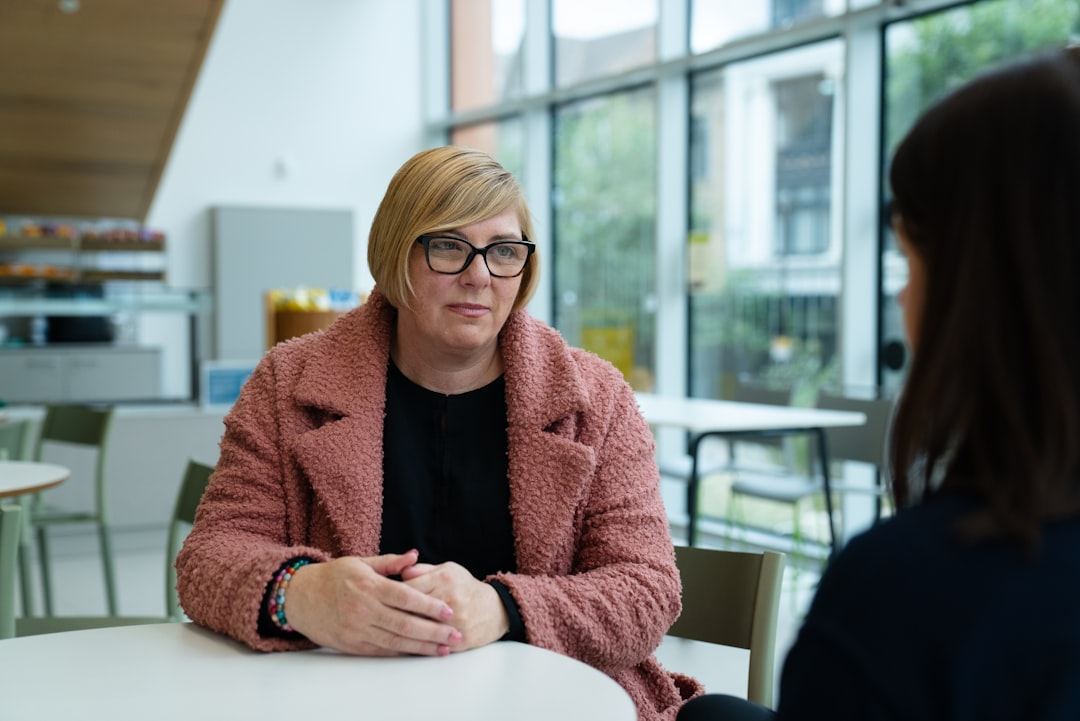
You're not alone in this.
Someone who's been where you are - walking beside you, at your pace, for as long as it helps.
What a peer
worker offers
Side-by-side support
Lived-experience connection
Time with someone who has walked a similar path - real understanding, not textbook advice, and no need to explain from scratch.
Hope & motivation
Proof that things can get better, from someone living it - a steady source of encouragement when your own runs low.
Practical coping strategies
Sharing what has genuinely helped - everyday tools and self-care approaches you can make your own.
Getting back into community
Company and confidence to reconnect - groups, activities and places that help you feel part of things again.
Navigating the system
A hand to make sense of services, appointments and paperwork - from someone who has been on the other side of it.
Your voice, amplified
Support to speak up for what you need and be heard - in your care, your plan and the decisions that affect you.
What makes peer support different
Peer support is different because lived experience is not a side note. It is the qualification that changes the relationship. A peer worker brings their own experience of mental-health challenges and recovery, and uses that carefully to walk beside you as someone who understands parts of the road from the inside.
That does not mean your stories have to match. It means the support is built on mutuality: two people meeting as equals, not one person being the expert on the other person's life. Hope is not a slogan in this work. It is evidence that someone can have hard seasons, learn what helps, rebuild trust in themselves, and still have a future with choices in it. If you are comparing mental-health supports, our NDIS mental health services guide explains where peer work can fit.
What sessions look like
Peer sessions can be more flexible than people expect. You might meet for coffee, go for a walk, talk by phone, sit together while you make a difficult call, or have someone alongside you at an activity that feels easier with support. The conversation is practical and recovery-focused: what helps, what gets in the way, what you want more of, and what small step feels possible this week.
Peer support is not clinical treatment. A peer worker does not diagnose, provide therapy or replace your GP, psychologist, psychiatrist or mental-health team. If clinical therapy is what you are looking for, Ellira's psychology service is the right page to read next. Peer work can still sit beside clinical care, with your consent, because many people need both professional treatment and someone who simply gets the human side of living through it.
Consistency matters. Wherever possible, we match you with the same peer worker so trust has time to build and you are not starting from scratch each visit.
Trained, supervised, boundaried
Good peer support is warm, but it is not casual. Lived experience is paired with Cert IV-level mental health or peer-work training, supervision, reflective practice and clear boundaries. That structure protects both you and the worker, and keeps the relationship useful rather than blurry.
Peer workers also follow the NDIS Code of Conduct and Ellira's wider mental health approach. They can share experience without making your choices for you, support safety planning without taking control away, and help you speak up for what you need. The aim is not to make you dependent on one person. It is to help you feel less alone while your own confidence, voice and support network get stronger.
Peer support may suit you if…
You'd value time with someone who has their own lived experience of mental health.
You feel isolated and want to reconnect with people and community.
You want practical, been-there support alongside your clinical care.
Your NDIS plan includes Core or Capacity Building funding for support.
Support built on equality, not hierarchy - and backed by a whole clinical team.
Genuine lived experience
Our peer workers have their own recovery journeys - trained, supervised and connecting with you as an equal, not from above.
Joined up with your care
With psychology, recovery coaching and coordination under one roof, your peer worker can link in with your wider team whenever you want.
Matched on what matters
We get to know you
A free, no-pressure chat about where you're at and the kind of person you'd feel most comfortable with.
We match your peer
A peer worker whose experience and style fit yours - someone you can genuinely relate to.
We follow your lead
You set the pace and the focus - catch-ups happen where and when suit you, at home, out and about or online.
Things people ask us first
Which part of my plan can fund peer support?
Peer support may be funded from Core or Capacity Building, depending on how the support is described in your plan and what goals it relates to. We can look at the wording with you before anything starts, so the support matches the right budget.
Do peer workers provide therapy?
No. Peer workers use lived experience and practical recovery-focused support; they do not diagnose, treat or replace a psychologist, GP or psychiatrist. Peer support can sit alongside clinical care when you want that connection.
How do you match a peer worker?
We use the intake conversation to understand what would help you feel safe and respected: communication style, interests, goals, location and any preferences that matter. We aim for consistency, and you can speak up if the fit is not right.
Can peer support happen online or in the community?
Yes. Peer support can happen at home, out in the community, by phone or online. The setting should match the goal, whether that is a quiet conversation, getting to an appointment or trying an activity.
Someone who gets it, in your corner.
Make a referral or book a free intake call - we'll talk through how peer support could work for you. No pressure, no obligation.